24 customer initiatives shipped for Portico’s Success team in 9 months.
For two years I’ve been the embedded engineer for Portico’s Success team. I take their customer requests from plan to deploy, and the reports and fixes I ship leave Portico’s clients happier.
- Client

Portico, opens in a new tab Portico's software and services help career schools simplify operations, stay compliant, and grow with confidence.
- Engagement
- Embedded Delivery Partner
- Length
- 2 years, ongoing
- Industry
- EdTech
- 24major initiatives shipped in 9 monthsTracked this year
- 2 yearsembedded with the Success teamOngoing
- 4–100+hours a month, set by each month’s needStarted at 10 a month, prepaid
The 24 covers this year’s tracked work. Year one ran on a prepaid block of hours and wasn’t tracked item by item.
“When Portico receives certain edge case requests that are not near-term on our roadmap, Fadee is able to step in and facilitate. This helps Portico continue to deliver on its promise of being a true partner to our schools.”
Where things stood
Portico’s four products (Campus Ivy, CourseKey, Verity IQ, and Trajecsys) serve nursing, allied health, beauty and wellness, and trade and technical schools. The products share customers, and one Success team handles roadmap and reporting requests across all of them.
Portico wanted its Success team to deliver on customer requests quickly, while core engineering stayed on the product roadmap. Those requests came straight from schools: roadmap features, custom reports, and documentation. So the Success team got its own engineer.
How we worked
I sit between Portico’s Success team and their engineers. Nearly every request reaches me as a Success-team ticket, and I take it from plan and design through build, staging, and deploy. I’m in their chat, meetings, and code review like anyone else on the team, and their engineers review and QA everything before it ships.
We started with a prepaid block of 10 hours a month. It now runs from 4 to 100+ hours a month, depending on what the Success team needs. Portico signed on before I offered the weekly retainer, which is why their terms are in monthly hours.
Where the tracked hours went
- About 124 hours on attendance and reporting
- 68+ hours on integrations and data infrastructure
- 130 logged entries on testing, debugging, pull requests, staging validation, and deployment
What I built
I work across their web app, backend, database, and internal services, on new features, fixes, and reports for customers and for Portico’s own staff.
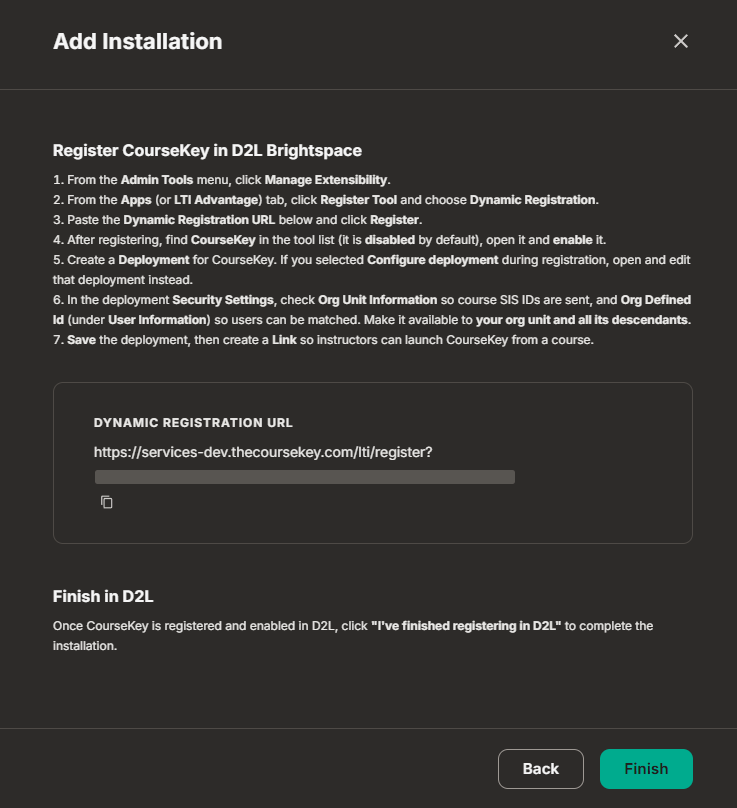
- Portico’s products connect to D2L Brightspace over LTI 1.3. LTI 1.3 is the standard learning management systems (LMSs) use to plug in outside tools. I built it with dynamic registration, where Brightspace registers the tool from a URL, and did integration work for Canvas.
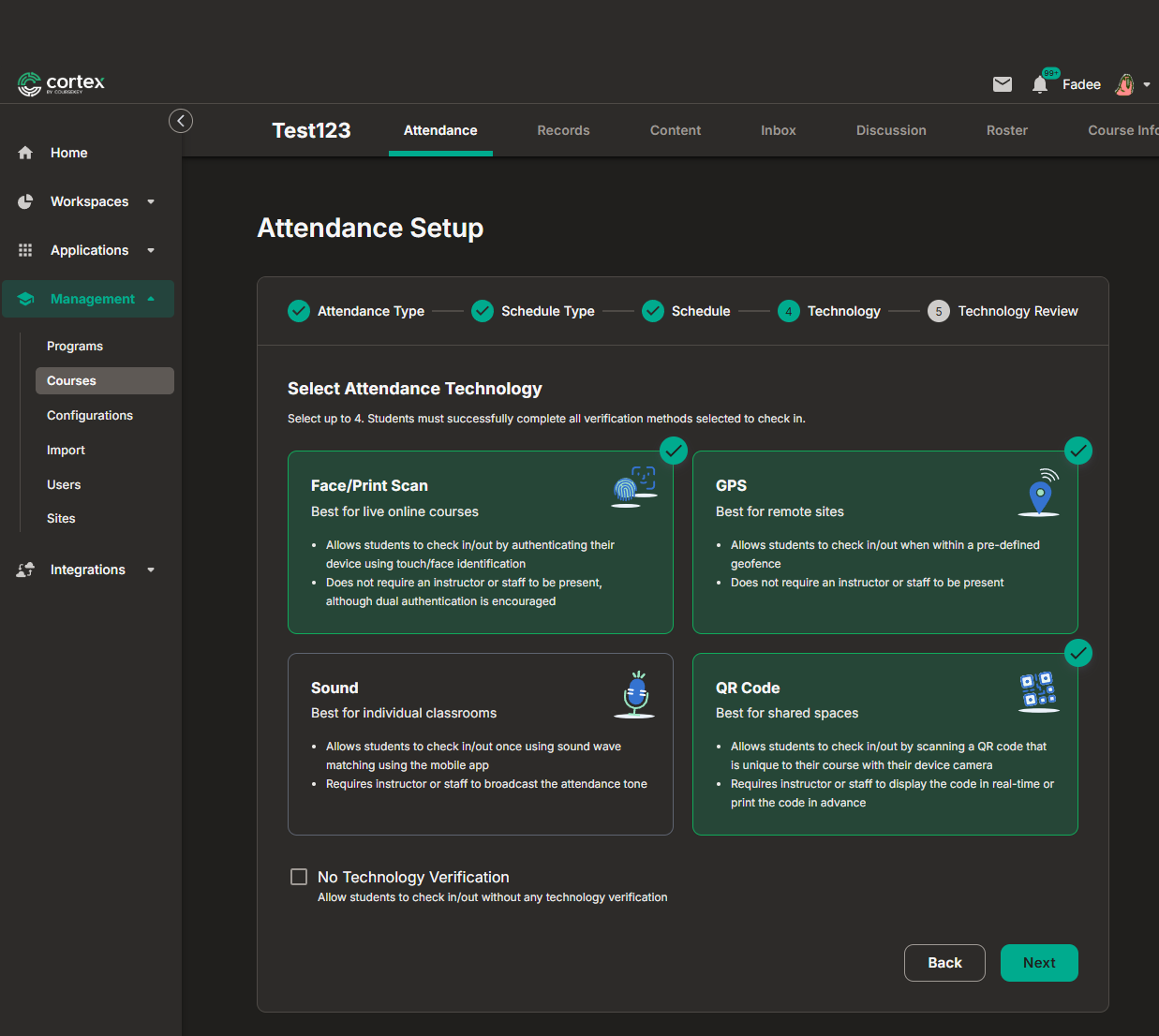
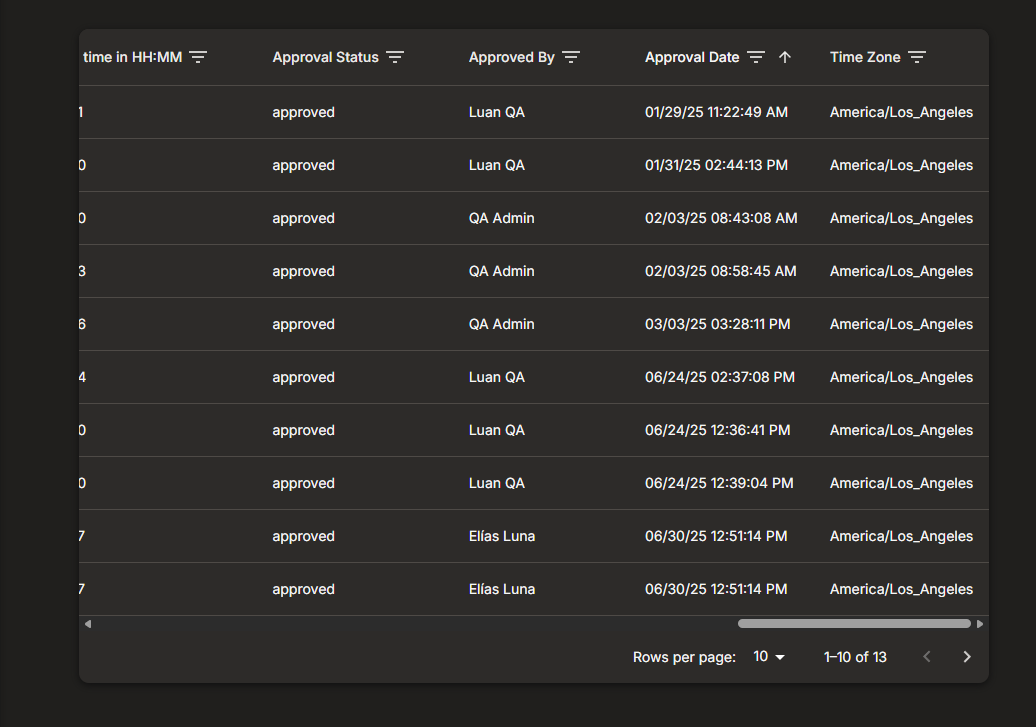
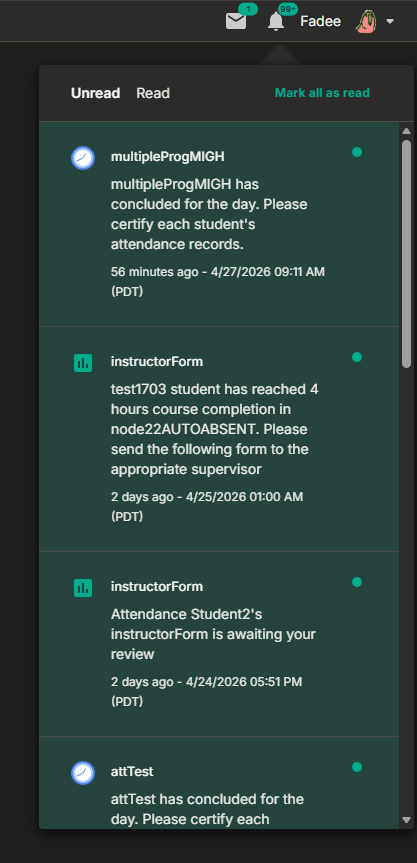
- I added new attendance and academic reports, for customers and for Portico’s staff. That meant new calculations, filters, grouping, exports, and administrative data.
- Imports and exports validate records and catch duplicates. I added validation, sanitization, and duplicate detection to the import and export workflows.
- I resolved edge cases in timezones, course grouping, and filtering. Some sat between the frontend and backend, and I made the two agree on the data.
- Every release goes through testing and staging before deploy. I write the tests, fix regressions, and support each deploy.
What changed
- Clients got what they asked for, and came away happier. I took on priority accounts across Portico’s products and shipped the reports and fixes they asked for. Together those accounts represent tens of thousands of dollars in revenue.
- Enhanced reports give schools more detail. I reworked how reports calculate attendance, missed time, makeup hours, expected hours, and course-level metrics, added new filters and grouping, and set them to generate and send by scheduled email.
- Core engineering stayed on its roadmap. Even the LTI 1.3 and Canvas work only needed their standard review and QA.
- The Success team has documentation for what shipped. I write it as each piece ships, so the team can answer customer questions on its own.
Tech stack
Frontend
- React
Backend and data
- Node
- MySQL
Integrations
- LTI 1.3 with dynamic registration for D2L Brightspace
- Canvas integration work
Infrastructure and delivery
- AWS Serverless
- Staging validation and deployment support
